Climate Impact on Texas Concrete Overlays: Longevity Insights
Ever wondered about the climate impact on Texas concrete overlays and how it affects their longevity? At Super Sharp Texas, we’re here to explore this intriguing topic with you. Our expertise spans across various services like decorative concrete overlay, epoxy flooring, and more, ensuring that we deliver top-quality, climate-resilient solutions across Austin and neighboring areas.
In this article, we’ll delve into how the Texas climate challenges the lifespan of concrete overlays, identify common issues, and share design and maintenance strategies to combat these challenges. Whether you’re in Austin, Round Rock, or San Marcos, we’ve got the insights you need to ensure your concrete overlays stand the test of time. Let’s get started!
How Does Climate Affect the Longevity of Texas Concrete Overlays?
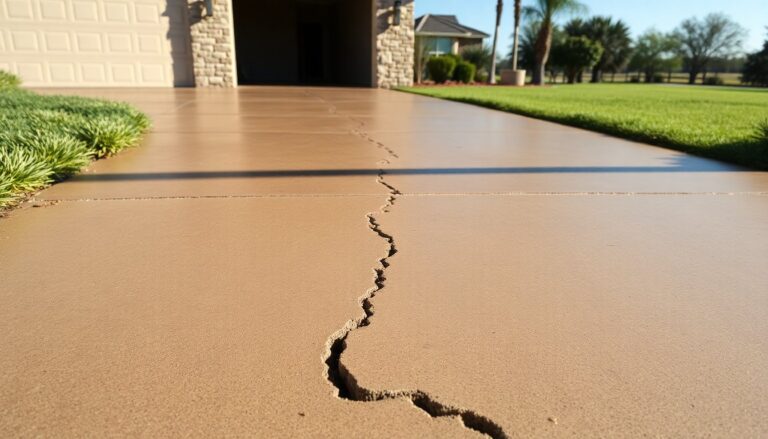
Climate plays a CRUCIAL role in determining the lifespan of concrete overlays in Texas. The state’s diverse weather conditions—ranging from scorching summers to occasional freezing temperatures—can significantly impact the durability of these surfaces. High temperatures can cause concrete to expand, which might lead to cracking if not properly accommodated. On the flip side, sudden temperature drops can induce contraction, further stressing the material.
Humidity is another factor that can’t be ignored. Texas often experiences fluctuations in moisture levels, which contributes to the freeze-thaw cycle. This cycle is notorious for causing wear and tear on concrete due to water seeping into small surface cracks. Once this water freezes, it expands, widening the cracks and deteriorating the material over time.
Moreover, frequent that Texas concrete overlays are subjected to rainfall, which can wash away necessary surface components and weaken the overlays’ structural integrity. The combination of these climate-related factors means that careful consideration must be given to design and material choice to enhance concrete longevity. For more information on how to optimize concrete overlays in specific Texas locations, consider exploring concrete overlay solutions in Austin, TX.
By understanding these climate impacts, concrete overlays in Texas can be engineered to withstand harsh environmental conditions, ensuring they remain sturdy and reliable for years to come.
What Are the Most Common Climate Challenges for Concrete Overlays in Texas?
Texas—known for its diverse climate—presents unique challenges for concrete overlays. From sweltering summers to unpredictable winter storms, the state’s weather conditions are anything but consistent. These variances impact how concrete overlays perform over time. Below are some of the major climate challenges affecting their longevity:
- Extreme Heat: High temperatures can cause concrete to expand, leading to cracks or distortions. This is a major concern in Texas’s scorching summers.
- Frequent Freeze-Thaw Cycles: In certain regions, fluctuating weather can cause concrete to undergo repeated freezing and thawing, resulting in surface damage and spalling.
- Heavy Rainfall: Sudden downpours or prolonged rainy periods can lead to water infiltration and erosion problems in concrete overlays.
- Wind Erosion: In windy areas, small debris carried by the wind can wear away at the surface of concrete overlays over time.
- Soil Movement: Different types of soil, which expand and contract with moisture changes, can cause structural shifts—affecting the base of concrete overlays.
- UV Radiation: Constant exposure to sunlight can degrade the surface quality and integrity of concrete over time, exacerbating other climate-related issues.
Addressing these challenges requires tailored solutions and specific design strategies. These ensure Texas’s concrete overlays withstand the state’s harsh climate conditions. For more insights into commercial concrete overlay solutions in Texas, explore commercial concrete overlay strategies in Austin.
How Can Concrete Overlay Design Mitigate Climatic Effects?
Concrete overlays in Texas face unique challenges posed by the state’s diverse climate. From intense heat waves to fluctuating humidity levels, these environmental factors can significantly affect the durability of concrete surfaces. But, with thoughtful design, these impacts can be mitigated effectively.
Incorporating Climate-Resistant Materials
One of the best strategies for dealing with climatic effects is using materials that can withstand Texas’s varying weather conditions. High-performance concrete mixes, often enriched with specific aggregates or admixtures, enhance resilience against temperature extremes. These mixes help reduce cracking and ensure prolonged service life.
Optimal Overlay Thickness
The thickness of a concrete overlay can significantly influence its durability. Thicker overlays offer better protection against temperature-induced stress and are crucial for areas prone to thermal expansion and contraction. Selecting the right thickness is key to a robust design that stands the test of time.
Strategic Joint Placement
Properly placed joints help control cracking by allowing the concrete to expand and contract in response to temperature changes. Strategic joint placement accommodates movement, minimizes stress on the surface, and helps maintain structural integrity—even during significant climatic shifts.
Surface Treatments and Sealants
Applying appropriate surface treatments and sealants can protect concrete overlays from environmental degradation. Sealants act as barriers against moisture and pollutants, reducing the risk of wear and prolonging the overlay’s lifespan. This step is essential in areas with heavy rainfall or high humidity.
Consideration of Local Microclimates
Recognizing the specific microclimate conditions—whether urban heat islands or coastal humidity—is crucial. Tailoring the design to accommodate these localized factors can make a significant difference. It allows for adjustments in material selection and design specifications, ensuring the concrete remains effective across various settings within Texas. For more insights on how to adapt to local conditions, explore decorative concrete overlay solutions in Austin, TX.
What Maintenance Practices Extend the Life of Concrete Overlays in Texas Climates?
Concrete overlays face unique challenges in Texas due to its diverse climate—ranging from scorching heat to heavy rain. To counteract these forces and extend the lifespan of concrete overlays, regular maintenance is crucial. Implementing suitable strategies can help maintain structural integrity and surface appearance. Learn more about the lifespan of concrete overlays in such climates.
Here are key maintenance practices to consider:
- Regular Cleaning: Consistently remove debris, dirt, and any chemical residues that could compromise the overlay’s surface. This prevents damage over time.
- Sealing: Apply sealants regularly to protect against moisture penetration, which is especially important during rainy seasons and for preserving durability under UV exposure.
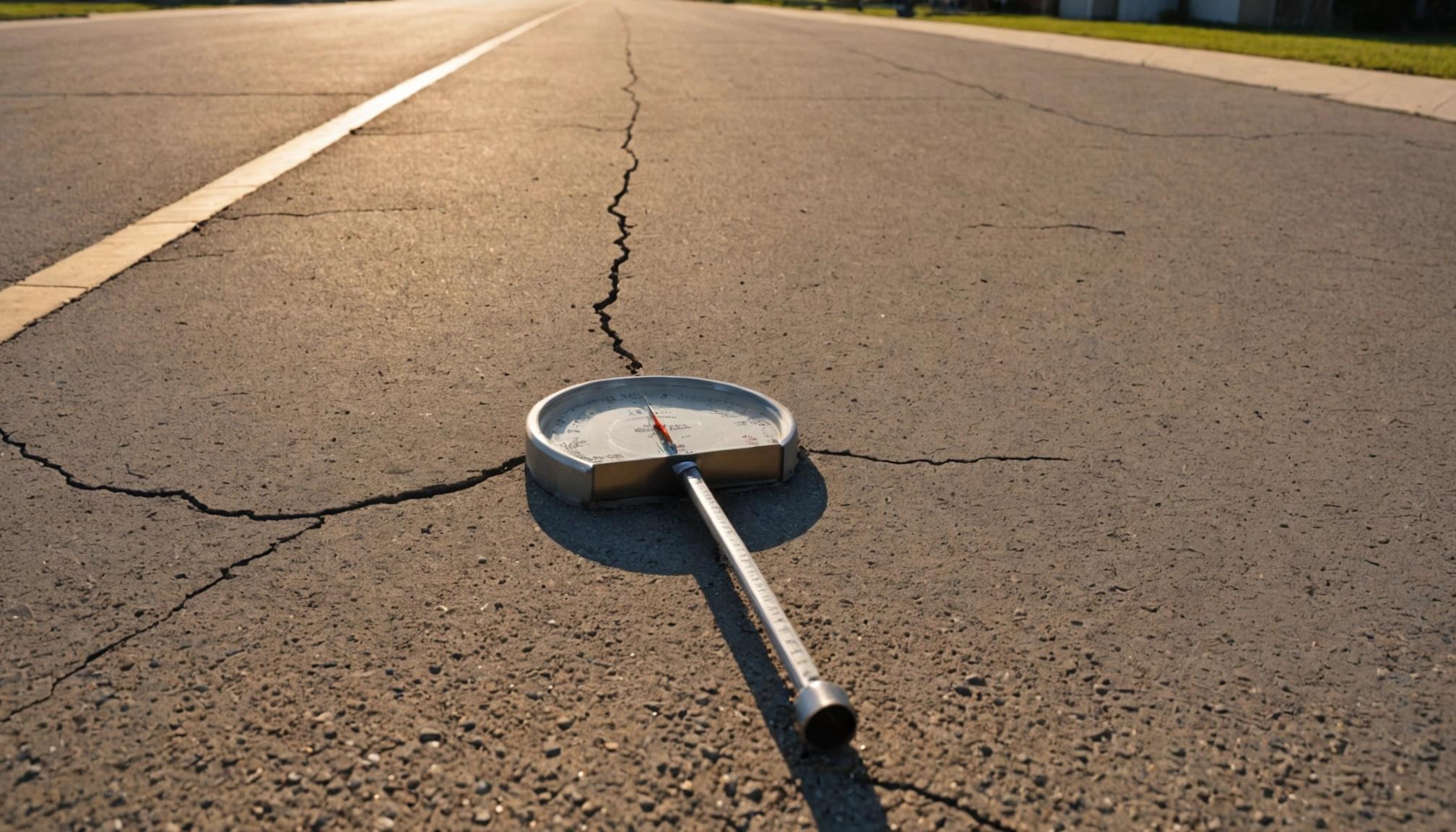
- Inspect and Repair Cracks: Conduct periodic inspections to catch minor cracks early. Prompt repair prevents them from expanding in hotter months, which could lead to substantial structural issues.
- Joint Maintenance: Ensure that joints are properly sealed and have adequate expansion allowances to cope with the temperature variations and avoid buckling or warping.
- Pavement Drainage: Maintain adequate drainage systems to prevent water pooling. Standing water is a major threat to the integrity of concrete overlays.
- Professional Assessments: Schedule regular assessments by professionals who can evaluate overlay conditions and recommend necessary interventions before minor issues escalate.
- Temperature Management: Consider using reflective or cool pavement technologies to manage surface temperature and reduce thermal stress.
Adhering to these maintenance practices helps combat the effects of Texas’ climate on concrete overlays, ultimately resulting in enhanced longevity and performance.
Are New Technologies in Concrete Overlays Addressing Climate Concerns?
The construction industry is evolving, with new technologies designed to combat climate impacts on concrete overlays. Texas, with its variable and often harsh climate, forces innovators to think outside the box. These advancements help enhance the durability and resilience of concrete overlays against weather-related challenges, as discussed in ongoing construction innovations in Texas.
Innovative Materials
New materials, like high-performance concrete (HPC), are game-changers. These materials are formulated to withstand temperature extremes and reduce thermal cracking. They incorporate special additives that increase longevity and reduce the detrimental effects of the environment.
Smart Sensors
Smart sensor technology is also making waves. These sensors, embedded within concrete overlays, monitor real-time conditions. They provide data on temperature changes, moisture levels, and structural integrity. This immediate feedback allows for proactive maintenance and swift response to potential issues.
Recycling Techniques
Recycling is no longer just a trend—it’s a necessity. Techniques like using recycled concrete aggregates (RCA) reduce waste and resource consumption. This approach not only supports sustainability but also improves the overall resilience of concrete overlays to climate stresses.
Adaptive Mix Designs
Adaptive mix designs cater to specific climatic conditions. Engineers now design concrete mixes tailored for local climate requirements. By adjusting the proportions and types of materials, these mixes enhance durability and reduce weather-related wear.
These technological innovations are significant steps toward building concrete overlays that not only withstand Texas’ climate challenges but also contribute to more sustainable construction practices. Up next, we’ll explore how these advancements impact the economic aspects of concrete overlay construction in the long run.
What Are the Long-Term Economic Impacts of Climate on Concrete Overlay Longevity?
Climate significantly impacts the durability and longevity of concrete overlays in Texas. Extreme temperatures and weather variations wreak havoc on infrastructure. This leads to increased maintenance and replacement costs—which hit budgets hard. Predicting these expenses requires careful assessment of weather patterns and their effects on materials.
Long-term economic considerations involve not just the cost of repairs but also the broader implications for infrastructure life cycles. Here’s how climate affects your wallet when it comes to concrete overlay longevity:
- Increased Maintenance Costs: Frequent temperature changes cause thermal expansion and contraction in concrete, leading to more repairs and higher maintenance expenses.
- Accelerated Wear and Tear: Harsh weather conditions, such as heavy rainfall and scorching heat, reduce the lifespan of overlays, pushing up replacement schedules and costs.
- Resource Allocation: More funds need to be allocated toward addressing climate-induced damage, diverting resources from other critical infrastructure projects.
- Impact on Traffic and Economy: Damaged roads lead to traffic disruptions, affecting commuting times and economic productivity as businesses incur additional transportation costs.
- Investment in Climate-Resistant Materials: While initially costly, investing in advanced, weather-resistant materials can reduce long-term economic burdens by enhancing durability and performance.
- Insurance Premiums: More frequent and severe weather events can lead to increased insurance premiums for maintaining infrastructure due to higher risks.
Up next, we’ll explore how new technologies in concrete overlays are tackling these climate-related challenges head-on.
Conclusion
Understanding the climate’s impact on concrete overlays in Texas is crucial for ensuring their longevity. The fluctuating temperatures and weather conditions in areas like Austin, Jollyville, and beyond can influence the durability and performance of concrete structures. Super Sharp Texas excels in providing tailored solutions to address these challenges effectively, utilizing our expertise to ensure the highest quality results for your concrete needs.
At Super Sharp Texas, we are committed to offering a comprehensive range of services, including Concrete Overlay and Decorative Concrete Overlay, to withstand Texas’s demanding climate conditions. Serving clients across Austin, Round Rock, and surrounding areas, we ensure your projects are completed with precision and resilience. For more information or to discuss your specific requirements, contact us at (888) 586-9070 or email Kris@supersharptexas.com. Let us help you enhance the longevity and aesthetic appeal of your concrete surfaces today!