
Disadvantages of Concrete Overlay: What You Need to Know
Are you considering a concrete overlay for your space but feeling a bit apprehensive? At Super Sharp Texas, we understand that while concrete overlays can offer a fresh, updated look to your surfaces, they do come with their own set of challenges. As experts in Austin, dealing with everything from commercial to decorative concrete overlays, we’ve seen the yin and yang of benefits and drawbacks.
In this article, we delve into the commonly overlooked disadvantages of concrete overlays. From weather impacts and cost considerations to installation pitfalls, we’ll guide you through everything you need to know before making your decision. So, let’s dive in and explore the details, because when it comes to concrete, it’s always best to know what’s below the surface!
What Are the Common Disadvantages of Concrete Overlays?
Concrete overlays can be a fantastic way to renew and enhance your floors or surfaces, but they are not without drawbacks. Understanding these disadvantages can help you make a more informed decision.
Limited Thickness Options
A significant limitation of concrete overlays is their thickness—generally ranging from a feather edge to two inches. This limitation means overlays aren’t suitable for all damage types (especially deep cracks or structural issues).
Sensitivity to Weather Conditions
Concrete overlays can be sensitive to weather. Extreme temperatures (both hot and cold) and moisture levels can affect installation and performance. If weather conditions aren’t ideal, overlays might not cure or bond properly. For more specific insights, consider exploring the impact of local weather on concrete overlays in Austin, TX.
Potential for Cracking and Delamination
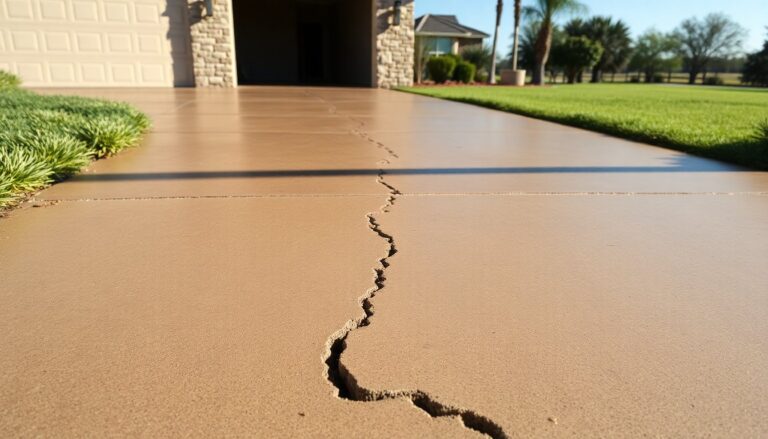
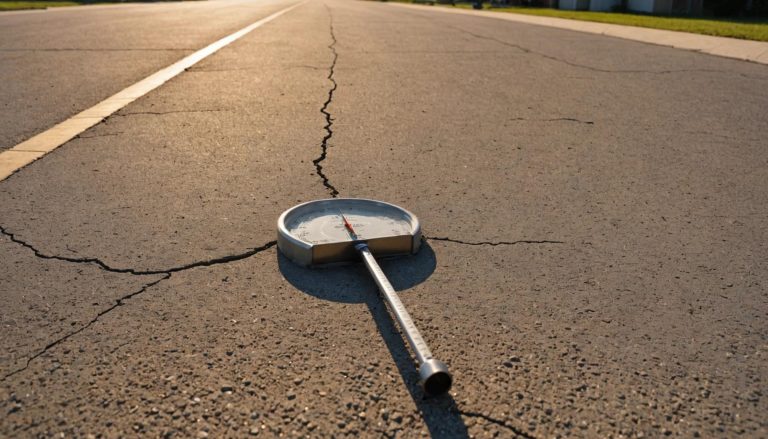
Poor installation or surface preparation can lead to cracking and delamination over time. An inadequate bond between the overlay and the original surface is a common issue—leading to peeling or cracking if not addressed.
Cost and Time Considerations
While generally more cost-effective than full replacements, overlays still require investment in time and money. The installation process can be labor-intensive, and cutting corners can compromise quality and durability.
Next, we’ll explore how weather conditions specifically impact the performance of concrete overlays.
How Do Weather Conditions Affect Concrete Overlays?
Weather can have a significant impact on the performance and longevity of concrete overlays. Weather changes—like temperature fluctuations, precipitation, and humidity—can all affect the curing process and overall durability of the overlay. Proper planning and execution are critical to avoid common weather-related issues.
Here are some specific weather conditions that can affect concrete overlays:
- Temperature Extremes: Both very high and very low temperatures can interfere with the setting and curing of concrete. High temperatures may cause rapid moisture loss, leading to cracking, while low temperatures can slow down the curing process.
- Rain and Excessive Moisture: Overlay application during rain or when the substrate is wet can lead to improper bonding and potential delamination of the overlay.
- Humidity Levels: High humidity can slow down the evaporation of water, affecting the strength and adhesion of the overlay. Conversely, low humidity can cause the overlay to dry too quickly and crack.
- Freeze-Thaw Cycles: In areas prone to freezing and thawing, moisture trapped in the overlay can freeze, expand, and cause cracking or surface spalling.
Evaluating weather conditions and adjusting the application process accordingly—such as using protective coverings or adjusting the mix—can help ensure a successful concrete overlay installation. For more insights on concrete overlay techniques, you can explore decorative concrete overlay solutions in Austin, TX.
What are the Cost Implications of Installing a Concrete Overlay?
Installing a concrete overlay can be a budget-friendly way to rejuvenate surfaces. However, like any home improvement, it’s important to be aware of the costs involved. Balancing upfront expenses with long-term benefits is key.
Here’s what you might want to consider when budgeting for a concrete overlay:
- Materials: The type of overlay material chosen significantly impacts cost. Decorative and high-performance overlays often come with a higher price tag.
- Labor: Skilled labor is essential for a flawless finish. Labor costs can be substantial, depending on the project’s complexity and size.
- Surface Preparation: Preparing the existing surface can add to costs, especially if repairs or leveling are required.
- Sealant Costs: Applying a protective sealant post-installation is crucial for durability, adding to the overall expense.
- Design Details: Custom designs, patterns, or coloring increase costs due to additional materials and labor.
- Location: The location of the project can influence costs, as transportation and regional labor rates can vary. For instance, commercial concrete overlays in Austin, TX might have different pricing considerations.
- Longevity Savings: While there are upfront costs, a well-maintained overlay can extend the lifespan of surfaces, offering potential savings in the long run.
Prioritize quality over cutting corners to ensure your investment in a concrete overlay is worthwhile and lasts for years to come.
Do Concrete Overlays Have Longevity and Durability Issues?
Concrete overlays might seem like a quick fix, but they aren’t always a long-term solution. They have potential longevity and durability concerns. Although they can improve the appearance of surfaces, overlays have their own set of challenges.
Overlays are thinner than traditional concrete slabs. This makes them more susceptible to cracking, chipping, and wear over time. WITHOUT proper care, they may not last as long as expected. While they can resist some wear and tear, repeated heavy use or neglect can result in visible damage.
Environmental factors play a significant role. Changes in temperature (expansion and contraction) can cause stress on the overlay. Moisture intrusion is another risk—it can lead to cracking or surface deterioration.
A well-installed overlay with regular maintenance might stretch its useful life. However, even the best overlays could face issues if they’re not appropriately handled. For more insights, consider exploring this detailed blog on concrete overlay maintenance.
Coming up, we’ll delve into the effects of poor installation practices on concrete overlay performance.
What Maintenance Requirements Come with Concrete Overlays?
Maintaining concrete overlays is crucial for preserving their appearance and functionality. While concrete overlays can enhance surfaces with aesthetic appeal, they do require some upkeep to remain in optimal condition.
Regular maintenance helps avoid issues like cracking, staining, or reduced performance over time. For insights into how climate can affect the longevity of concrete overlays, consider exploring climate impact on Texas concrete overlays. Here’s a simple guide on how to keep your concrete overlays looking their best:
- Regular Cleaning: Sweep or hose off debris and dirt regularly to prevent buildup that can damage the surface.
- Sealant Application: Apply a suitable sealant every few years to protect from stains and water infiltration.
- Address Stains Promptly: Clean spills immediately to prevent permanent staining—especially oil or chemical spills.
- Check for Cracks: Regularly inspect for hairline cracks and repair them promptly to stop them from spreading.
- Use Appropriate Cleaners: Avoid harsh chemicals. Opt for pH-neutral cleaners to maintain the overlay’s finish.
- Prevent Heavy Impact: Avoid dropping heavy objects directly on the overlay to prevent chips or deeper cracks.
With proper maintenance, your concrete overlay can continue to enhance your space for years to come, balancing durability with aesthetics.
How Can Poor Installation Affect Concrete Overlay Performance?
Proper installation is CRUCIAL for the performance and longevity of concrete overlays. A poor job can lead to numerous issues, making what should be an enhancement into a costly headache. Let’s explore the main ways poor installation can negatively impact a concrete overlay.
Adhesion Failures
If the surface isn’t prepped correctly, or if the overlay material isn’t mixed just right, you could face adhesion issues. This means the overlay may not bond well with the existing surface (leading to peeling or chipping).
Cracking and Curing Problems
Inadequate curing time or improper climate control during installation can cause cracking. Overlays need specific conditions to cure correctly, failing which can result in a brittle, compromised finish.
Inconsistent Thickness
Uneven application results in varying thickness which can cause weak spots. These weak areas can deteriorate faster under stress, leading to an uneven and unattractive surface.
Surface Imperfections
Bubbles, streaks, or rough patches might appear if the overlay isn’t applied smoothly. Not only are these imperfections visually unappealing, but they can also weaken the overall structure over time.
Avoid these pitfalls by ensuring a PROFESSIONAL and meticulous installation. It’s worth the investment to guarantee your concrete overlay lives up to its full potential. For more insights on the durability and lifespan of concrete overlays, understanding the impact of proper installation is essential.
Conclusion
Despite its appeal and versatility, a concrete overlay does come with certain disadvantages, such as potential durability issues and susceptibility to cracking if not applied properly. It is essential for homeowners and business owners to weigh these factors against their needs and expectations from a resurfacing solution. By understanding the possible drawbacks, you can make an informed decision and ensure that a concrete overlay fits within your renovation plans.
At Super Sharp Texas, we understand the intricacies involved in choosing the right concrete solution for your project. Serving Austin and surrounding areas like Jollyville, Round Rock, and San Marcos, our team is dedicated to delivering exceptional service and ensuring that your surfaces are not only aesthetically pleasing but also long-lasting. Whether you’re considering a decorative concrete overlay, epoxy flooring, or more, our expertise is just a call away. Connect with Kris Sutton at (888) 586-9070 or email us at Kris@supersharptexas.com to explore your options today!